

Quick answer
Yes, Mdina is worth visiting for travelers interested in medieval architecture, quiet streets, and panoramic views across Malta. The city charges no entrance fee and remains open 24 hours, though individual attractions inside the walls charge separate admission. Early morning arrival between 7:00 and 9:00 lets you walk the alleys before tour groups arrive, and the Silent City's atmosphere changes completely once the stone streets fill with visitors after 10:00.
Mdina's fortification walls date to the Arab period, when the city served as Malta's capital before the Knights of St. John moved administrative power to the Grand Harbour. The nickname Silent City reflects both a 1990s traffic ban and the acoustics of narrow limestone corridors that muffle sound. Most visitors spend 90 minutes to two hours walking the grid of streets that runs from the main gate to the cathedral square, though the pace here rewards slower exploration. The Medieval Malta experience centers on architecture rather than museums. Palazzo Falson and the Cathedral Museum hold collections, but the primary attraction is the urban fabric itself — baroque townhouses with enclosed wooden balconies, churches wedged into corners, and the sudden drops at the bastion edges where the plateau ends. The rampart walk along the southern walls offers unobstructed views to the Three Cities and, on clear days, the profile of Mount Etna across the channel in Sicily. Whether visiting Mdina justifies your time depends on your tolerance for tourist density and interest in fortified towns. Between April and October, cruise-ship excursions flood the main arteries from mid-morning through early afternoon, turning Villegaignon Street into a bottleneck. Shoulder-season months and winter see lighter foot traffic, though Maltese weather remains mild year-round. Travelers comparing Mdina to Valletta should know the former offers cohesion and scale — you can see the entire city in a morning — while Valletta demands a full day and mixes eras more freely. The city's free-entry model means you control your budget. A coffee at Fontanella Tea Garden and cathedral admission might total 10 euros, or you can walk the perimeter and leave without spending anything. Evening visits after 6:00 PM reveal a different character when day-trippers depart and the narrow lanes empty, though most shops and attractions close by then. Mdina works best as a half-day addition to a broader Malta itinerary rather than a standalone destination.
“The rampart walk along the southern walls offers unobstructed views to the Three Cities and, on clear days, the profile of Mount Etna across the channel in Sicily.”
Is Mdina Malta Worth Visiting During Peak Hours or Off-Season?
The best arrival window is 07:00–09:00 to avoid tour groups and experience the city's quiet atmosphere. Planning your visit for these early morning hours ensures a calm experience as you navigate the narrow limestone streets.
Weekday mornings
Minimal; city is very quiet—
Early arrival provides the most peaceful experience before day-trippers arrive from Valletta.
April and May
Moderate; pleasant for walkingMild temperatures, 18°C to 24°C
Spring weather offers comfortable conditions for exploring the fortifications without the heat of summer.
June to August
High; significant midday congestionHot, often exceeding 30°C
Summer brings intense heat and peak tourist numbers, making early morning visits essential.
October and November
Moderate; quieter than peak seasonMild, 17°C to 23°C
Autumn provides a balance of lower crowd density and manageable weather conditions.
Verdict: For the quietest experience, aim for a weekday arrival between 07:00–09:00 during the shoulder months of April or October.
Is Mdina Malta Worth Visiting Given the Admission Fees?
Entry to the city of Mdina is free for all visitors, as it is a public, inhabited historic city. However, specific attractions located within the city walls, such as museums and historical sites, set their own individual admission fees.
A typical adult pays 0 EUR to enter the city, with total costs depending solely on which specific internal attractions you choose to visit.
How To Access Mdina Malta To Decide If It Is Worth Visiting
Mdina is located in the center of Malta and is accessible by public bus or private vehicle. Most visitors arrive via the main entrance at Mdina Gate.
Routes 51, 52, or 53 to Mdina terminal
Route 7 via Rabat
Direct service to Mdina Gate
Nearby Attractions To Determine If Is Mdina Malta Worth Visiting
Mdina is located adjacent to Rabat, making it easy to combine your trip with sites exploring Malta's deeper historical layers. These nearby locations complement the walled city by providing context to the region's Roman and Christian heritage.
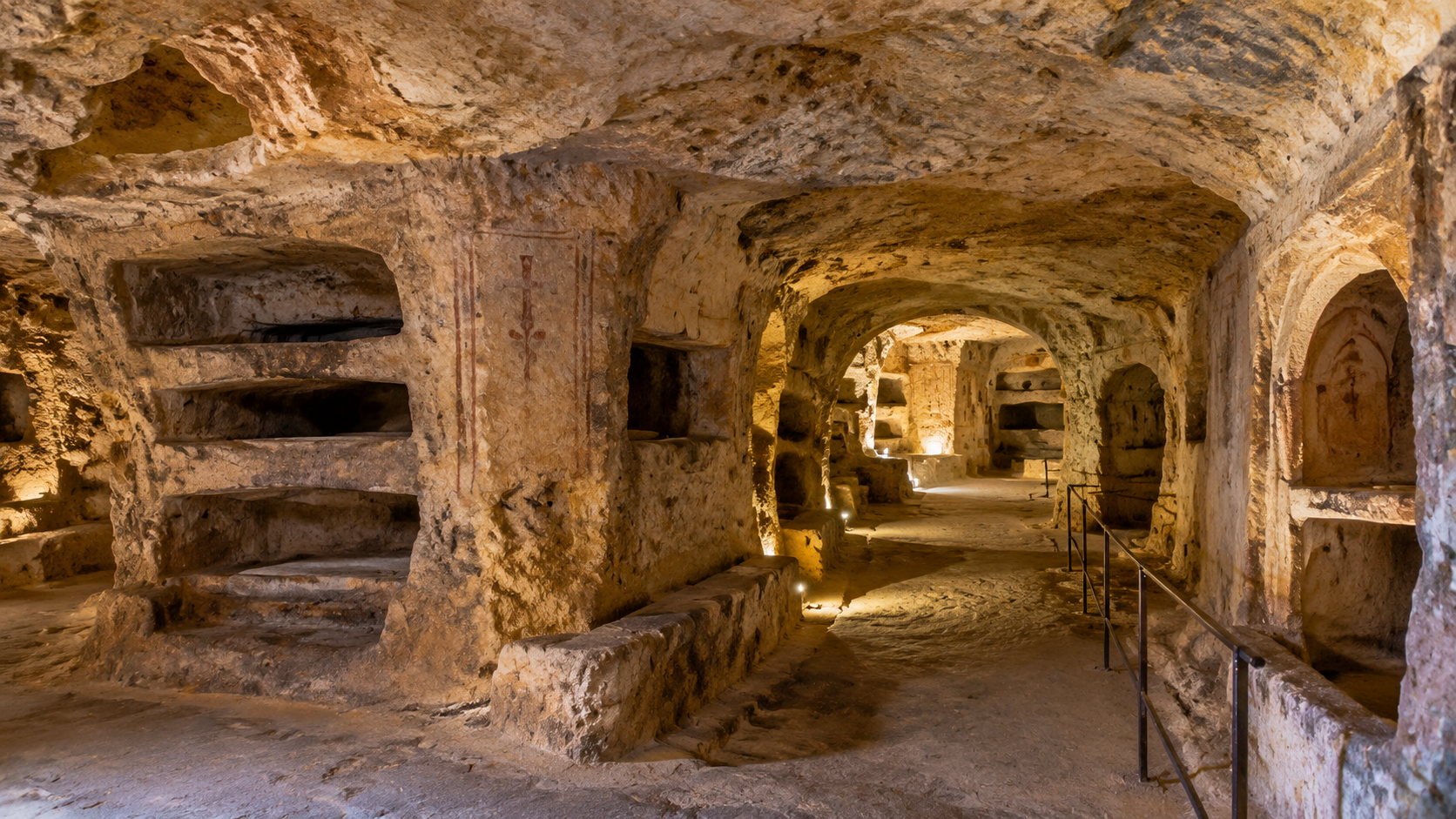
St. Paul's Catacombs
Located just outside the city walls in Rabat, these subterranean burial sites provide a historical contrast to the medieval architecture of Mdina.
Domus Romana
This site sits near the main gate and houses Roman ruins and mosaics that help explain the ancient origins of the area.
St. Agatha's Catacombs
These catacombs are known for their well-preserved frescoes and offer an extension to the religious history found within Mdina's churches.
Buskett Gardens
As one of the few wooded areas on the island, these gardens offer a natural environment to decompress after walking the stone streets of the city.
Check availability
Common questions: Is Mdina Malta worth visiting?
Everything you need to know about is mdina malta worth visiting