2 hr 30 min
Mdina & Rabat Walking Tour with Catacombs
- Expert local guide
- Small group
- Skip-the-line access
- Free cancellation
Mdina Walking Tour — Self-Guided & Expert-Led Routes
Walk the silent city's limestone lanes, where every corner opens onto four millennia of fortress history.
Compare fares, pick the fit — all bookings are mobile-voucher and eligible for free cancellation where shown.
2 hr 30 min
2 hr
2 hr 30 min
| Experience | Duration | Rating | Skip-the-line | Guide | Small group | Free cancel. | Price | |
|---|---|---|---|---|---|---|---|---|
|
Guided Experience
Most popular
Mdina & Rabat Walking Tour with Catacombs
|
2 hr 30 min | ★ 4.8 | ✓ | ✓ | ✓ | ✓ | €25 | Book → |
|
Guided Experience
Mdina & Rabat Historical Walking Tour
|
2 hr | ★ 4.8 | ✓ | ✓ | ✓ | ✓ | €20 | Book → |
|
Guided Experience
Mdina & Rabat Historical Walking Tour
|
2 hr 30 min | ★ 5.0 | ✓ | ✓ | ✓ | ✓ | €20 | Book → |
Hand-picked experiences loved by thousands of travelers
8 hours
Free Cancellation
Explore Malta's top attractions in a single day: fortified Mdina, ancient catacombs, clifftop views, and more.
2 hours
Free Cancellation
Explore Malta's medieval fortress city as golden hour transforms its honey-colored ramparts
1 hour 30 minutes
Free Cancellation
Eco-friendly tuk tuk journey through Malta's historic heartland with local insights and tastings
4 hours
Free Cancellation
Discover Malta's fortified medieval capital, dramatic coastal cliffs, and presidential botanical gardens
2 hours 30 minutes
Free Cancellation
Step into 1425 and witness nobles scheming, secrets spilling, and survival hanging by a thread
2 hours
Free Cancellation
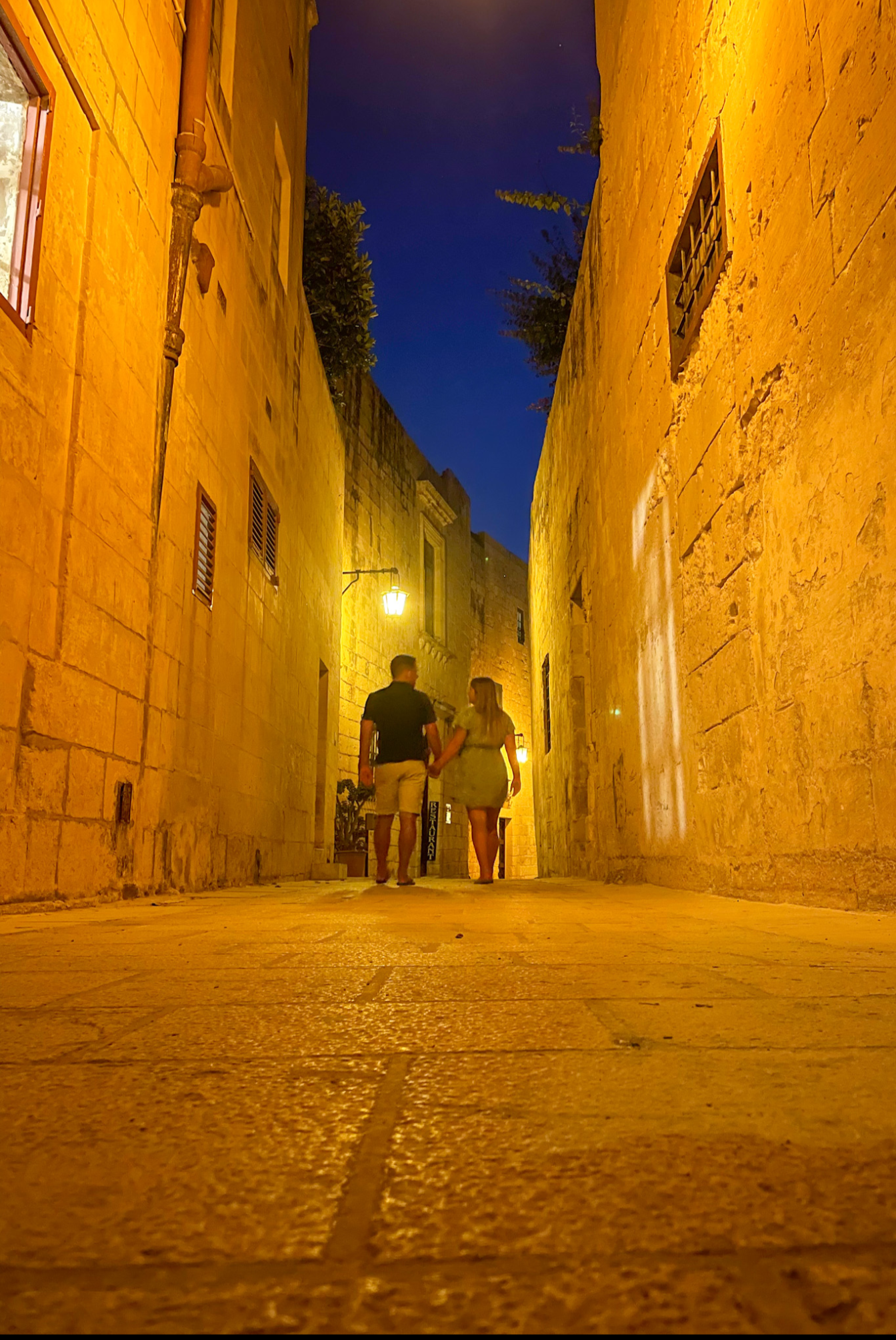
Explore Malta's ancient Silent City by night, when illuminated streets reveal centuries of secrets
5 hours
Free Cancellation
Half-day journey through Malta's heritage on a 1928 vintage bus with cliff-top views and gardens
5 hours
Free Cancellation
Discover Malta's medieval cities, ancient temples, and stunning coastline on this flexible private journey
Enter through the historic main gate.
Walk the primary path of the mdina walking tour.
Observe the baroque facade and interior.
View the panorama from the city walls.
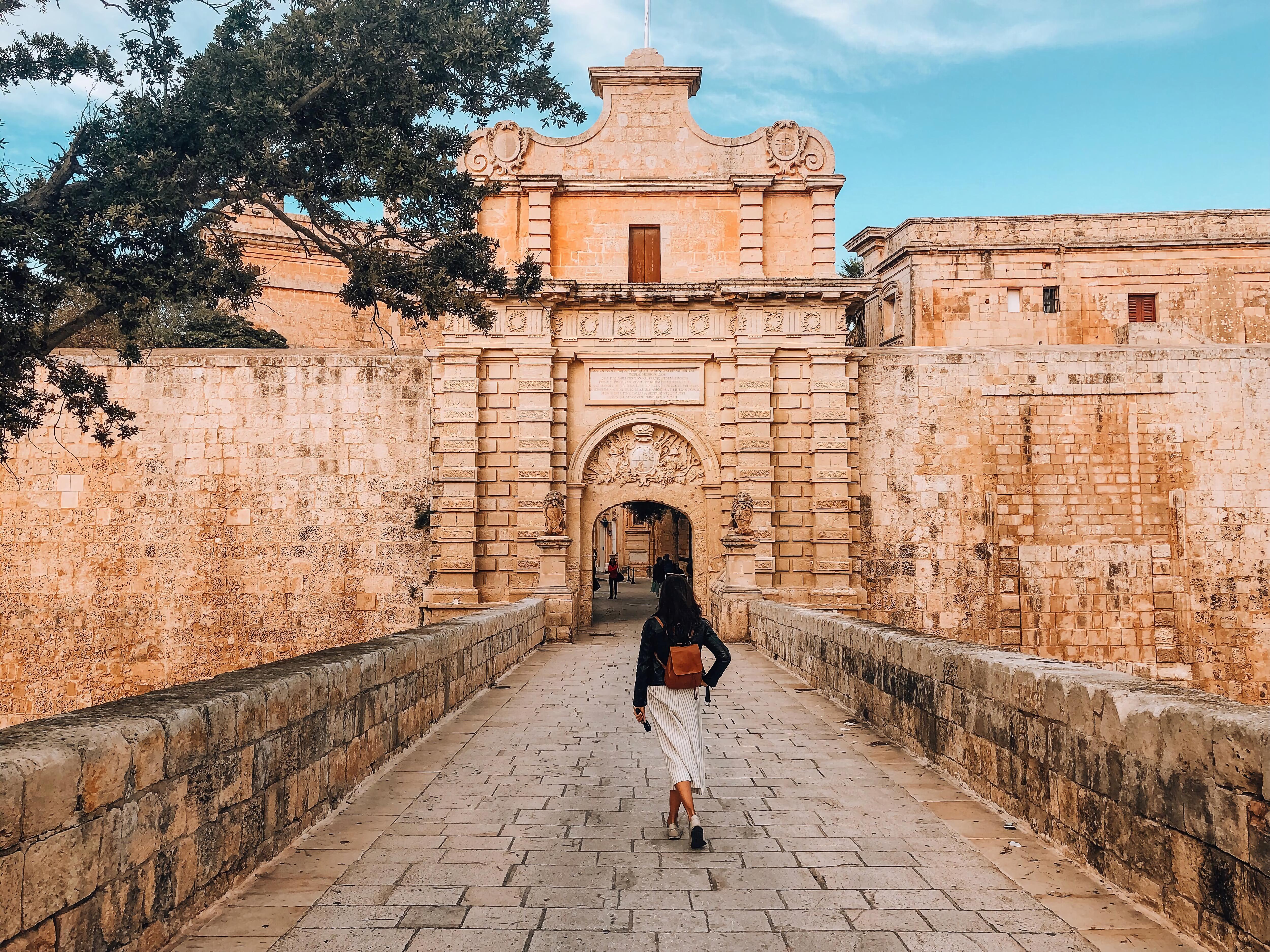
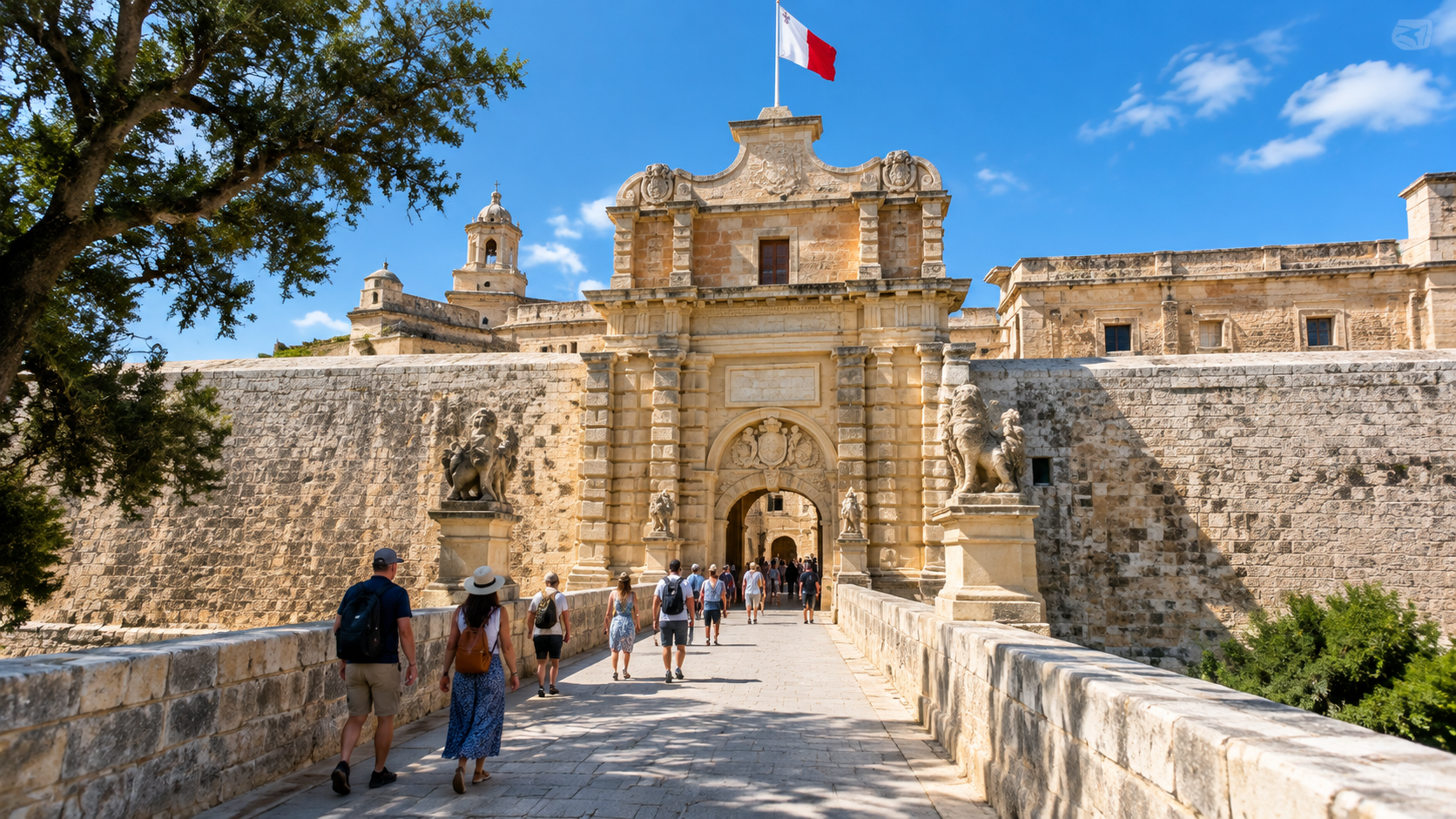
The main entry point was constructed in 1724 and features a striking Baroque design. It serves as the primary gateway for every mdina walking tour tour.
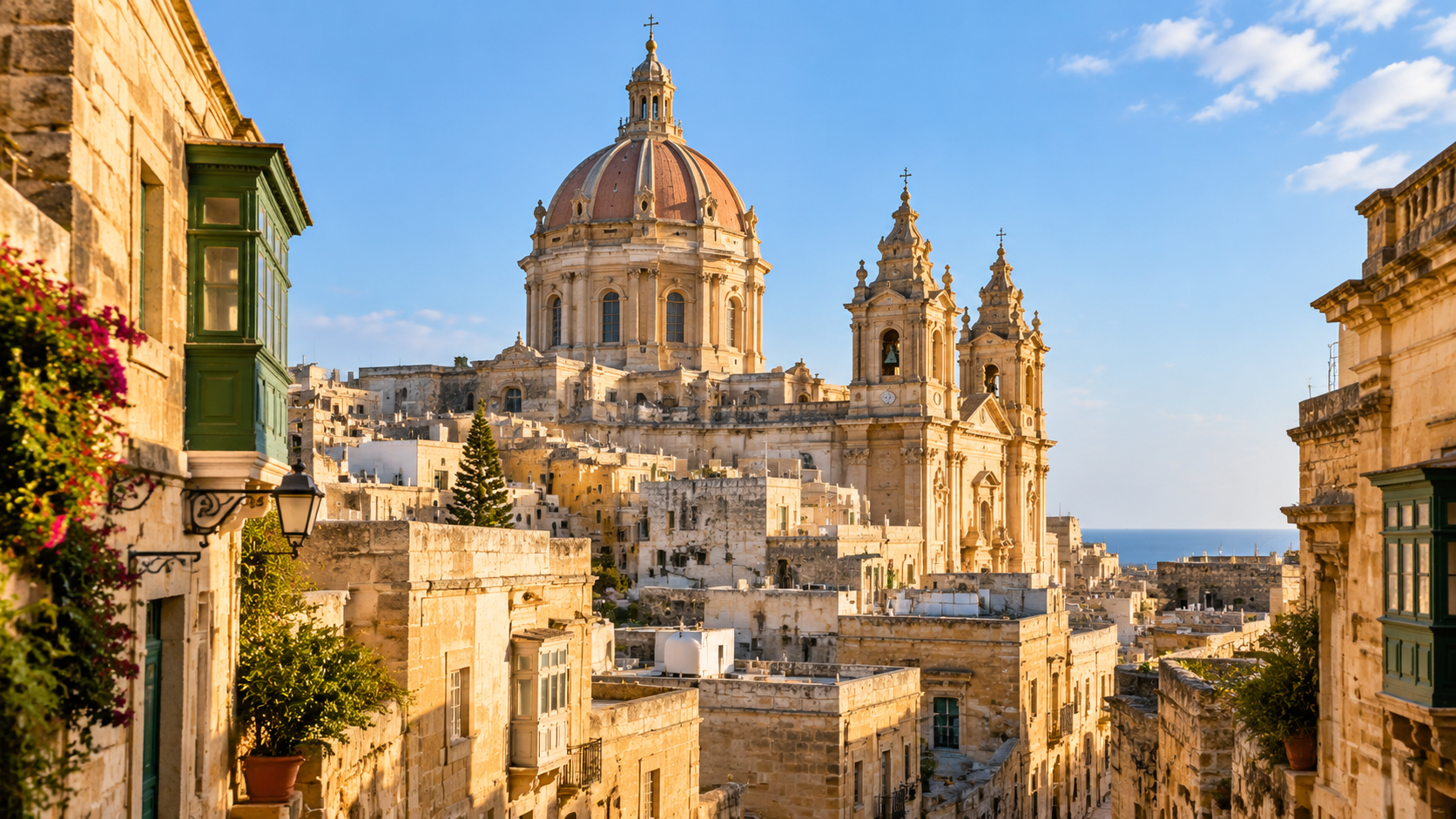
This majestic structure was rebuilt in the 17th century after an earthquake. It is a central feature of any comprehensive mdina walking tour.
These fortified walls offer views across the island toward the Mediterranean. It remains a highlight of an mdina walking tour excursion.
One of the oldest buildings in the city, dating back to the 13th century. It provides historical depth to your mdina walking tour.
This secondary entrance was historically used by the Greek community living in the city. It is a quiet stop on an mdina walking tour.
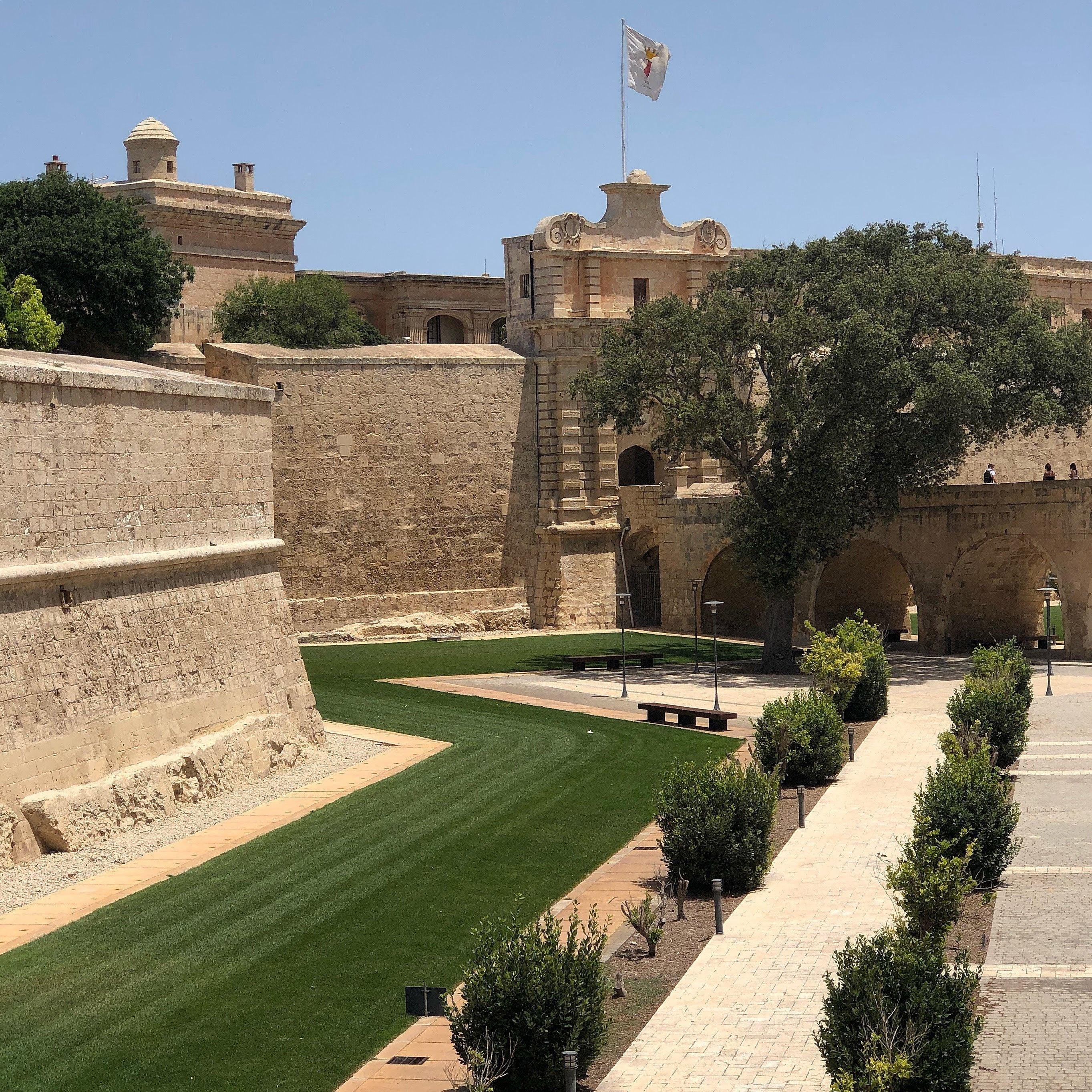
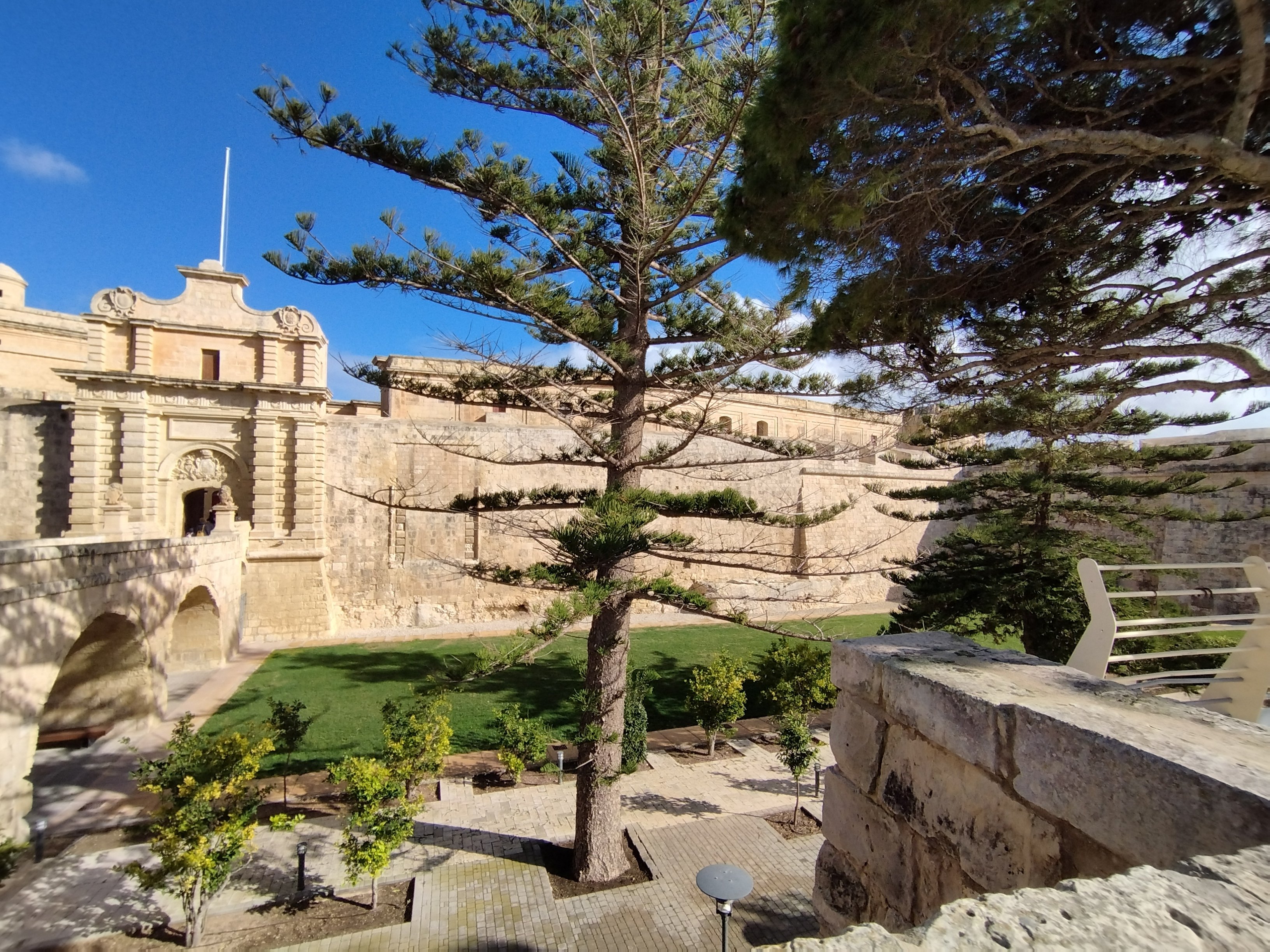
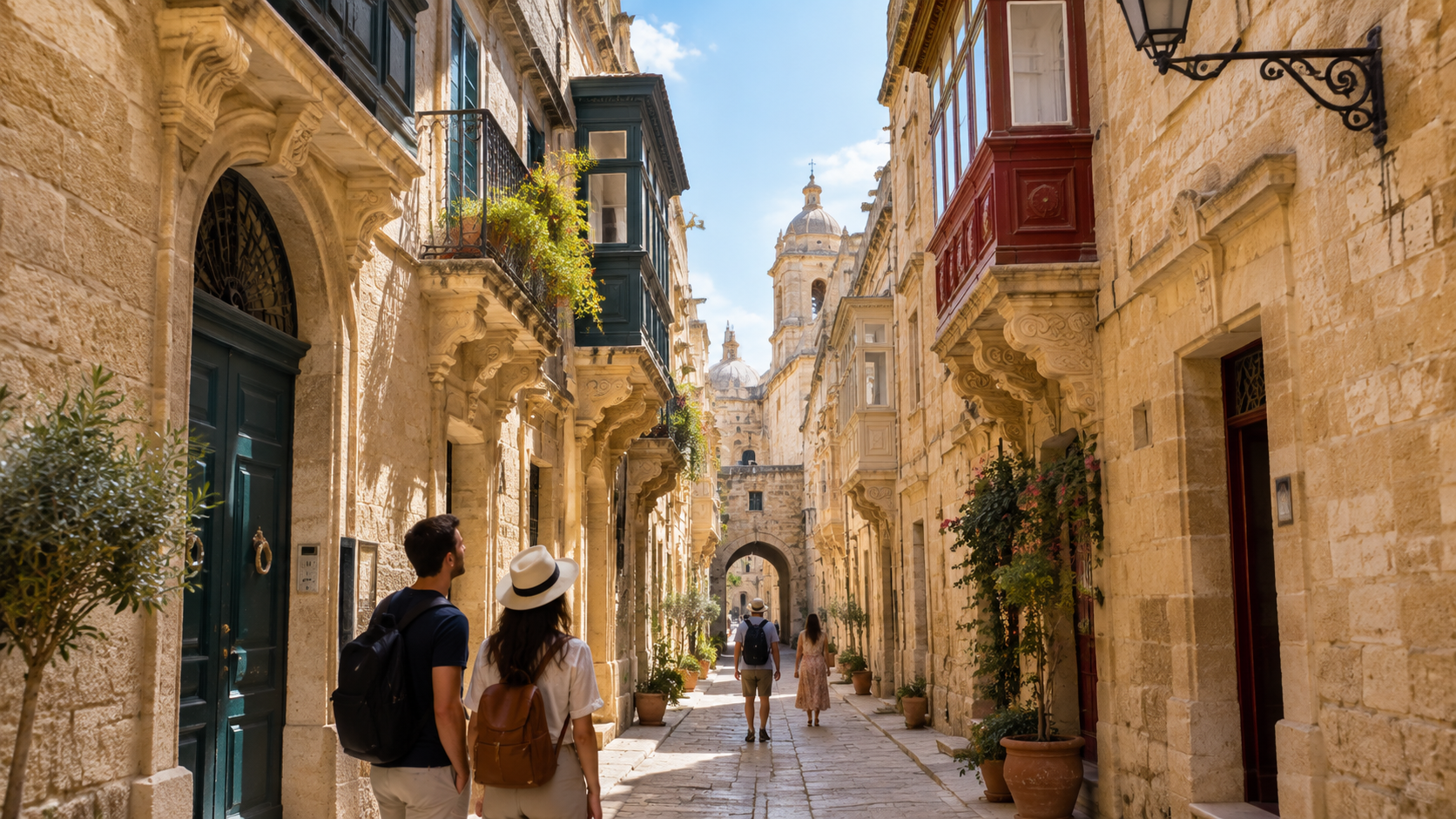
You approach Mdina Gate on foot from the car park in Rabat, crossing the dry moat on the stone bridge as the baroque arch rises ahead. Inside, Villegaignon Street runs straight to Cathedral Square, its facades unbroken by storefronts or modern signage.
You pause at the cathedral entrance, where the checkerboard marble floor reflects light from the dome above, then continue past Palazzo Falson to the northern bastion. The view opens suddenly: terraced fields, the Mosta dome four kilometers distant, and the coastline beyond.
You descend through Mesquita Street, the narrowest passage in the city, where balconies nearly meet overhead. At the Carmelite priory you turn west toward the main square, stopping at a café table set against the city wall. From here the drop is sheer to the orchards below, and the silence is absolute except for the wind. You complete the circuit at the Greek Gate on the eastern edge, where fewer visitors venture, then return through backstreets that hold the oldest Norman stonework—rough-cut blocks set without mortar, still bearing the weight of upper floors added centuries later.
All the details about your upcoming adventure in one place
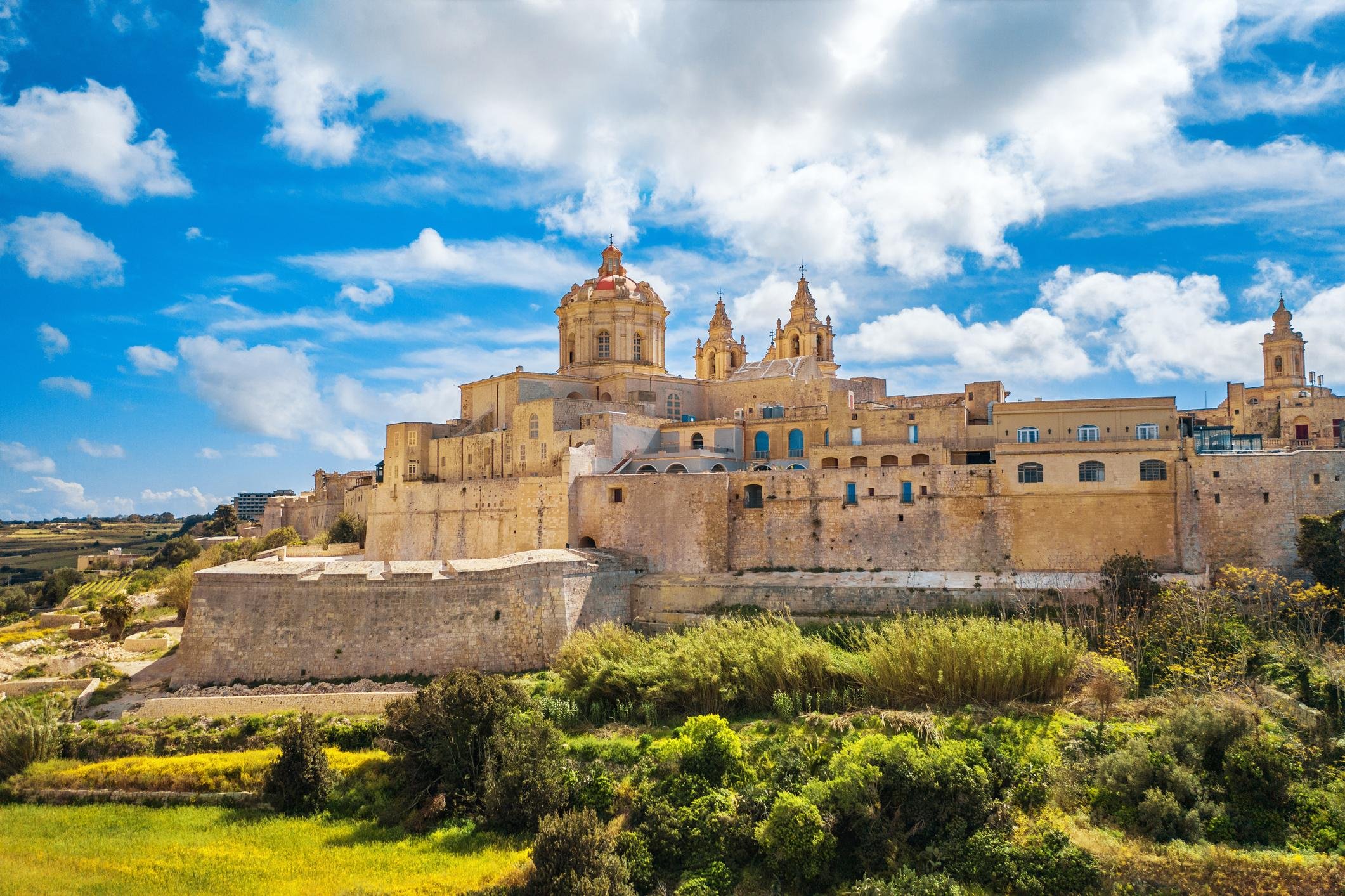
The fortified Silent City reveals narrow limestone alleys, baroque palaces, and panoramic rampart views across Malta. A mdina walking tour guides you through cathedral squares, ancient gates, and filming locations where Game of Thrones scenes were captured. Mdina walking tour tickets include access to the bastions and commentary on Phoenician foundations, Norman architecture, and the Knights of St. John.
Mdina's present population stands at fewer than 250 residents within walls that once sheltered the entire governing class of Malta.
Founded as Melite by Phoenician settlers around 700 BCE, the city served as the island's capital for nearly three thousand years before the Knights of St John shifted administrative power to Valletta in 1530. The fortifications visible today date primarily to the Arab period—when the settlement was renamed Medina—and the baroque reconstruction that followed the 1693 Sicily earthquake, which toppled much of the medieval city center.
The absence of vehicular traffic, enforced since the 1970s, has preserved Mdina's character as the Silent City. Narrow streets paved with Maltese limestone absorb footsteps; the only regular sounds are church bells from St Paul's Cathedral and the occasional clatter of horse-drawn karozzin bringing visitors through the main gate. Bastions encircle the plateau, offering unobstructed views across the island to Mosta's dome in the northeast and the Mediterranean coastline to the west. These ramparts, rebuilt by Grand Master Antonio Manoel de Vilhena in the early eighteenth century, replaced the older Arab-Norman defenses and created the streetscape of honey-colored facades, wrought-iron balconies, and carved stone doorways that defines the city today.
A self-guided walk covers the key architectural landmarks in under two hours: the baroque gateway bearing de Vilhena's coat of arms, the cathedral museum holding Dürer woodcuts and Mattia Preti's shipwreck altarpiece, Palazzo Falson with its medieval kitchen and armory intact, and the Carmelite church whose dome punctuates the skyline. Guided tours add depth to the layers beneath—Roman domus foundations under Palazzo Vilhena, Arab cisterns beneath private courtyards, and the dungeons where the Inquisition held trials. Most routes begin at Mdina Gate and end at the Bastion Square overlook, where the western prospect opens toward Rabat and the catacombs that extend the city's history underground. The streets empty almost entirely by late afternoon, when the day-tour coaches depart and the city returns to its resident rhythm.

The fortifications visible today date primarily to the Arab period and the baroque reconstruction that followed the 1693 Sicily earthquake, which toppled much of the medieval city center.
Modest attire is expected when entering religious buildings during your mdina walking tour. Shoulders and knees should be covered to maintain decorum.
There are no security checkpoints for the general city streets. Visitors on a guided mdina walking tour should keep personal belongings secure while navigating narrow alleys.
Photography is permitted throughout the public squares and defensive bastions. Ensure you respect the privacy of local residents while capturing your mdina walking tour memories.
The pedestrian-only nature of the city makes it safe for children. A family-friendly mdina walking tour can easily be adjusted for shorter attention spans.
The city features uneven limestone paving and steep inclines. A standard mdina walking tour may present challenges for those with limited mobility.
Public consumption of food is permitted in open areas. Keep the city clean by disposing of waste in designated bins during your mdina walking tour.
Opening Hours
00:00–23:59
Address
Mdina Gate, Mdina, Malta
Street Access
Public pedestrian routes
Best Arrival
00:00–10:00
Storage
None provided
Navigation
Self-guided exploration
Public transport · 45 minutes · 2 EUR
Take bus routes 51, 52, or 53 from Valletta to the Mdina terminus.
Car · N/A · Varies
Parking is available outside the city walls in designated zones.
Public street access requires no booking and involves 0 EUR fees. Any separate museum tickets purchased for a guided mdina walking tour follow the specific operator terms.
Recommended time
2-3 hours
To fully appreciate the medieval limestone architecture and fortified walls of this historic city, a mdina walking tour requires approximately two to three hours. Visitors choosing to explore the cathedrals and palaces through various mdina walking tour tours should allocate extra time for interior queues. Arriving during the 00:00–10:00 window remains essential to experience the signature silence of these ancient streets before midday crowds arrive. While entry to the city is free, those requiring mdina walking tour tickets for specific museums can manage their pace by starting early to avoid the peak afternoon sun and tourist volume.
Crowd levels through the day
Weather · crowds · average price — dots go green to amber to red as each metric rises.
Mild temperatures and blooming flowers make this perfect for an mdina walking tour. Expect moderate crowds compared to summer.
Begin your mdina walking tour before 10:00 to avoid cruise ship crowds. This ensures the quiet atmosphere the city is famous for.
Mdina's story begins in the Bronze Age, when Phoenician traders recognized the plateau's defensive value and established a settlement around 700 BCE. The Romans expanded it into a walled city they called Melita, constructing a forum, temples, and the villa that would later house the Domus Romana museum. When the Apostle Paul shipwrecked on Malta in 60 CE, tradition holds that he met the Roman governor Publius in this very city, converting him to Christianity and establishing the island's religious identity. The Arab conquest of 870 CE transformed the city's character entirely. The new rulers reduced its footprint to the current thirty-five acres, dug the deep ditch that still encircles the walls, and gave it the name Mdina—derived from the Arabic word for "walled city." They introduced narrow, shaded streets designed to channel breezes and deflect siege engines, a layout that defines any mdina walking tour today. When Norman Count Roger I seized Malta in 1091, he preserved the Arab urban fabric but imposed a Christian aristocracy, creating the merchant and noble families who would control the island for centuries. The arrival of the Knights of St. John in 1530 marked Mdina's decline as a political center. The Order established Valletta as their capital in 1566, and Mdina became a refuge for the Maltese nobility, who nicknamed it Città Notabile. The 1693 Sicily earthquake destroyed much of the medieval architecture; the reconstruction, led by French military engineer Charles François de Mondion, introduced the Baroque palaces and cathedral façade visible today. Yet the rebuilding was selective. The Knights invested little, and Mdina's population dwindled to fewer than three hundred residents by the eighteenth century. This abandonment preserved the city. While Valletta modernized under British rule after 1800, Mdina remained frozen, its streets too narrow for carriages and its palaces too expensive to demolish. By the mid-twentieth century, the "Silent City" had become a heritage site rather than a living capital, its stillness no longer a symptom of decline but its defining attraction. The mdina walking tour tickets sold today grant access not to a museum but to a city that chose, through poverty and pride, to stop in 1700.
Phoenician traders establish a fortified settlement on the plateau that will become Mdina.
Apostle Paul meets Roman governor Publius in Melita after his shipwreck, beginning Malta's Christian conversion.
Arab forces conquer Malta, reduce the city to its current footprint, and rename it Mdina.
Norman Count Roger I captures Malta and installs a Christian aristocracy while preserving the Arab street layout.
Knights of St. John arrive and begin shifting political power away from Mdina toward the coast.
A major earthquake destroys much of Mdina's medieval architecture, prompting Baroque reconstruction under French engineer Mondion.
British rule modernizes Valletta but bypasses Mdina, leaving the "Silent City" economically stagnant and architecturally frozen.
Mdina's decline reverses as its preserved medieval-Baroque fabric becomes a protected heritage attraction drawing mdina walking tour tours worldwide.
Stand directly outside the main entrance to capture the massive limestone archway and its intricate baroque carvings. Position yourself centered on the bridge to frame the historic fortification walls perfectly.
Position yourself in the center of the piazza to capture the grand facade of the cathedral alongside the surrounding silent stone alleys. This location is essential for any mdina walking tour as it showcases the island's religious heritage.
This panoramic terrace provides a clear view over the Maltese countryside and the distant domes of nearby villages. It is a favored spot for travelers seeking mdina walking tour tours that focus on landscape photography.
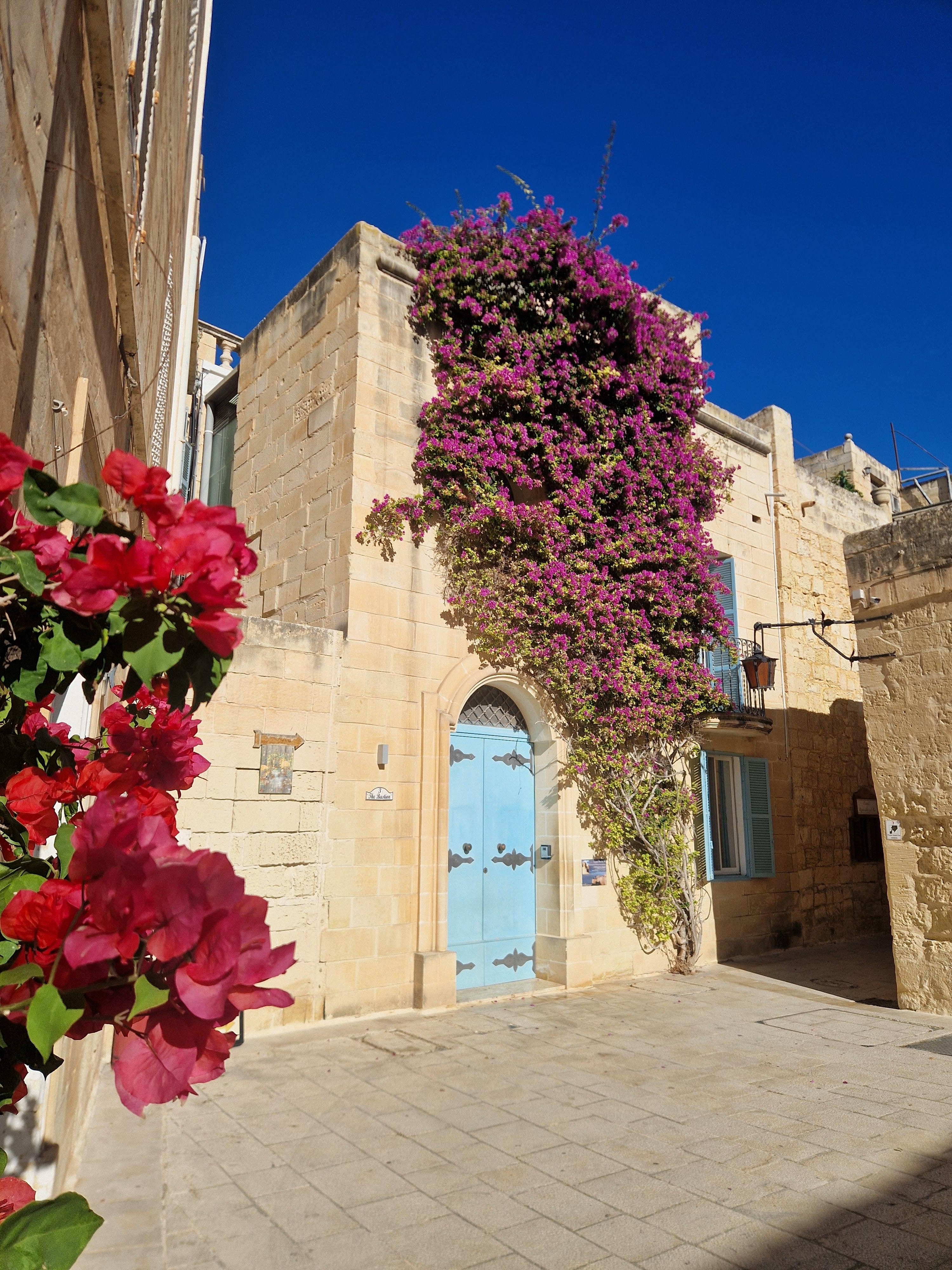
Tucked away within the city streets, this intimate square features charming balconies and rustic wooden doors. Photographers often include this site during their mdina walking tour tour to capture the quiet character of the silent city.
Frame your shot through the ornate entrance to capture the symmetrical architecture and the well-maintained courtyard of this 18th-century landmark. This is a common location for those with mdina walking tour tickets who wish to document the interior design of noble residences.
Dining within these ancient fortifications offers a rare perspective on Malta's history, whether you seek a casual stop near your mdina walking tour or a refined meal tucked into medieval masonry. These venues serve as perfect rest points while exploring the historic landmarks of the Silent City.
Famous for its iconic chocolate cake and panoramic terrace views, this spot is ideal for a mid-tour coffee or light snack. Consider booking your mdina walking tour tours to coincide with a sunset visit here for the best island views.
Housed within 17th-century chambers that once served as gunpowder magazines, this venue offers a sophisticated atmosphere for those seeking authentic Mediterranean cuisine. It is a highly recommended stop if you have secured your mdina walking tour tickets in advance.
Real experiences from real travelers
Walking through Mdina's walled city felt like stepping back centuries. The limestone architecture and quiet lanes made for a contemplative morning. Started at the main gate and spent two hours wandering without a fixed route.
The mdina walking tour revealed layers of baroque and medieval details around every corner. Fortification walls offer commanding views across the island. Best visited early before coach groups arrive.
Explored the bastions and narrow streets on a self-guided route through Malta's old capital. The cathedral square provides a central point to orient yourself. Cooler temperatures inside the city walls even in summer.
The medieval layout is impressive and walking the perimeter gives perspective on the city's defensive position. Arrived mid-morning and found the main streets quite busy. Side alleys offered quieter exploration.
A mdina walking tour covers the essential sites within a few hours. The elevated position means gentle inclines rather than steep climbs. Limestone glows beautifully in afternoon light.
Wandered the Silent City's streets and found each turn revealed carved balconies or hidden courtyards. The fortifications are remarkably intact. Clear signage made navigation straightforward.
The walled city maintains its historic character without modern intrusions. Walking from gate to bastion takes about twenty minutes at a relaxed pace. Shadows and light play across the stone facades throughout the day.
Explored Mdina's ramparts and understood why this site was chosen for defense. The walking route along the walls provides context for the city's history. Minimal commercialization preserves the ambiance.
Despite being a highlight of Malta tours, the old capital retains a peaceful quality. The mdina walking tour tickets grant access to museums but the streets themselves are free to wander. Early evening brought golden light and fewer visitors.
The entire walled area is walkable in an hour if rushed, but deserves more time. Baroque doorways and medieval fortifications blend seamlessly. The elevated location keeps temperatures slightly cooler than the coast.
Everything you need to know for your journey
Entry to the city streets is 0 EUR, though individual museum entry fees apply for specific mdina walking tour tours.
The city is open 00:00–23:59 daily, allowing flexibility for your mdina walking tour tour.
No tickets are required for general entry; however, official mdina walking tour tickets may be needed for guided experiences.
The medieval limestone streets are uneven, making a standard mdina walking tour difficult for some mobility aids.
The best arrival window is 00:00–10:00 to experience silence before the main mdina walking tour crowds arrive.
Yes, photography is permitted as you explore the landmarks during your mdina walking tour.
Various cafes operate within the city for those on a longer mdina walking tour tour.
You can reach the Mdina Gate by bus 51, 52, or 53 before beginning your mdina walking tour.
Children are welcome to join any family-friendly mdina walking tour tour.
Underground burial chambers dating back to the Roman era.
A remnant of a Roman townhouse containing exquisite floor mosaics.
A hub for local artisans creating pottery and glassware.
Historical boutique hotel located inside the city walls.
Convenient guesthouse located near the city entrance.
Various options available in the adjacent Rabat area.
Join thousands of happy travelers who have discovered this incredible experience
Book Your Experience Now