English| EUR
Suggested for you
More currencies
Book Now
Open today · 09:00–17:00

Mdina and Rabat Walking Tour With Catacombs

Mdina & Rabat Walking Tour with Catacombs — Medieval Walls & Roman Burial Chambers

Two cities joined by centuries, separated by a gate

50K+ travelers chose this
Free Cancellation
Right now: Moderate — autumn season Please wear comfortable non-slip footwear for uneven underground surfaces.
Free Cancellation
Free cancellation Instant confirmation Mobile voucher Verified partner Skip-the-line
2,000+ sqm
Site Area
Covers over 2,000 square meters
4 km
Tunnel Network
Underground galleries to explore
1,000+
Burial Capacity
Estimated capacity for over 1,000 bodies
30+
Hypogea
Interconnected underground burial chambers
6 EUR
Entrance Fee
Conservation fee, per person
Choose your ticket

Mdina and Rabat Walking Tour With Catacombs tickets at a glance

Compare fares, pick the fit — all bookings are mobile-voucher and eligible for free cancellation where shown.

Mdina and Rabat Walking Tour with Local Guide 2 hr 30 min
Guided Experience

Mdina and Rabat Walking Tour with Local Guide

5 (497)
€20
  • Expert local guide
  • Small group
  • Skip-the-line access
  • Free cancellation
Book this ticket
Mdina & Rabat Historic Walking Tour 2 hr
Guided Experience

Mdina & Rabat Historic Walking Tour

4.8 (659)
€20
  • Expert local guide
  • Small group
  • Skip-the-line access
  • Free cancellation
Book this ticket
Compare options

Compare Mdina and Rabat Walking Tour With Catacombs ticket options

Choosing the right access for your mdina and rabat walking tour with catacombs depends on whether you prefer a focused visit to the burial complex or a broader exploration of ancient Melite. These mdina and rabat walking tour with catacombs tickets offer flexibility for independent travelers or combined entry to neighboring archaeological sites.

Single Site Entry Catacombs Only Top pick
Rabat Combo Ticket Catacombs + Domvs Romana
Conservation Fee 6 EUR
Access Method Walk-up or Online
Included Areas St. Paul's Catacombs only
Validity Single day
Best for Budget-conscious visitors

Verdict: The Rabat Combo Ticket is the recommended option for a comprehensive mdina and rabat walking tour with catacombs experience, providing excellent value for those also interested in the nearby Domvs Romana.

Is the Mdina and Rabat Walking Tour with Catacombs Worth the Cost?

Worth it for history and archaeology enthusiasts

The mdina and rabat walking tour with catacombs delivers exceptional value at 6 EUR per person for the conservation fee to St. Paul's Catacombs. You gain access to one of Malta's most significant early Christian burial complexes, with guided tours revealing underground chambers, burial niches, and agape tables dating to the 3rd century AD. The bundled walking experience spans both Mdina's medieval fortifications and Rabat's Roman foundations, offering cultural depth beyond surface-level sightseeing. Heritage Malta maintains the catacombs professionally, with clear signage and preservation work visible throughout. The tour suits visitors seeking authentic archaeological sites rather than polished attractions—expect raw stone corridors and modest lighting that enhance the historical atmosphere. Early arrival between 09:00–10:30 maximizes your experience before tour groups fill the narrow passages. For anyone interested in early Christianity, Roman Malta, or underground heritage, the modest entrance fee represents excellent value compared to similar European sites charging triple the amount.

What makes it worth it

  • 6 EUR conservation fee is remarkably affordable
  • Access to authentic 3rd-century Christian burial complex
  • Professional Heritage Malta site management and interpretation
  • Combines two historic cities in one experience
  • Underground passages offer unique archaeological perspective

Keep in mind

  • Limited appeal for casual sightseers
  • Narrow catacombs get crowded after 11:00
  • Basic lighting requires careful navigation
  • Short visit duration at approximately 45 minutes

Bottom line: At 6 EUR, the mdina and rabat walking tour with catacombs tour offers rare access to Malta's early Christian heritage at a fraction of comparable European archaeological site costs.

Head to head

Mdina and Rabat Walking Tour with Catacombs vs. Independent Exploration — Which Is Better?

They complement each other; most visitors who do both call the guided mdina and rabat walking tour with catacombs the more immersive option for uncovering local history. Choosing this tour ensures you navigate the maze of ancient landmarks efficiently with professional insights.

Top pick
Guided Tour
Self-Guided Visit
Duration 1.5–3 hours
Entrance fee 6 EUR (conservation fee)
Best arrival window 09:00–10:30
Location Triq Sant Agata, Rabat
Key highlights Flexible pace and personal exploration
Booking constraints No reservations required

Verdict: The guided tour provides a deeper context for the site's complex history, while an independent visit offers the freedom to linger longer in the spots that capture your interest.

Featured Experiences

Popular Mdina and Rabat Walking Tour With Catacombs tours & activities

Hand-picked experiences loved by thousands of travelers

Recommended Experience

Powered by GetYourGuide

Another traveler favorite

Powered by GetYourGuide
Malta Highlights & Mdina Full-Day Tour with Lunch 8 hours Free Cancellation

Malta Highlights & Mdina Full-Day Tour with Lunch

Explore Malta's top attractions in one day: medieval Mdina, ancient catacombs, cliffside panoramas, and the iconic Mosta Dome.

4.5 (3549)
FromFrom €69
See details
Mdina & Rabat Walking Tour with Roman Catacombs 2 hours 30 minutes Free Cancellation

Mdina & Rabat Walking Tour with Roman Catacombs

Journey through Malta's medieval Silent City and underground Roman burial chambers on this immersive 2.5-hour guided walk

4.8 (38)
FromFrom €25
See details
Medieval Mdina: Power, Blood & Betrayal Walking Tour 2 hours 30 minutes Free Cancellation

Medieval Mdina: Power, Blood & Betrayal Walking Tour

Step into 1425 and navigate civil wars, noble scandals, and deadly intrigue in Malta's Silent City

5 (14)
FromFrom €25
See details
Mdina & Rabat: Underground Secrets and Aristocratic Tales 3 hours Free Cancellation

Mdina & Rabat: Underground Secrets and Aristocratic Tales

Journey from Roman ruins through wartime shelters to Malta's walled Silent City on this 3-hour walking tour

5 (4)
FromFrom €22
See details
Mdina After Dark: Medieval Legends & Silent Streets 2 hours Free Cancellation

Mdina After Dark: Medieval Legends & Silent Streets

Walk Malta's ancient walled capital after sunset when the crowds vanish and centuries of history come alive

4.4 (23)
FromFrom €25
See details
Mysteries and Histories of Mdina Walking Tour 2 hours Free Cancellation

Mysteries and Histories of Mdina Walking Tour

Uncover hidden tales of treasure, ghosts, revenge, and miracles in Malta's ancient walled city

5 (2)
FromFrom €21.5
See details
Historic Mdina, Rabat & San Anton Gardens Guided Tour 4 hours Free Cancellation

Historic Mdina, Rabat & San Anton Gardens Guided Tour

Discover Malta's ancient capital, explore Roman burial chambers, and stroll through presidential gardens

3.8 (286)
FromFrom €35
See details
Private Mdina & Rabat Walking Tour with Local Guide 4 hours Free Cancellation

Private Mdina & Rabat Walking Tour with Local Guide

Explore Malta's medieval Silent City and ancient Christian sites on a personalized 4-hour journey

5 (2)
FromFrom €350
See details
What you'll see

What you'll see at Mdina and Rabat Walking Tour With Catacombs

Agape Tables

These circular stone tables were used for commemorative meals in honor of the deceased. They are a unique feature of the burial rituals here.

Baldacchino Graves

These structures resemble four-poster beds or platforms with columns carved directly from the limestone. They showcase high-status burial customs of the era.

Main Complex

This area spans over 2000 square meters of interconnected burial chambers. It is the largest archaeological evidence of early Christianity in Malta.

Burial Niches

Small wall recesses often contained the remains of children. They reflect the diverse burial practices preserved in this labyrinth.

Visitor Center

The modern facility houses significant artifacts found during excavations. It provides necessary historical context before entering the underground tombs.

The experience

What visiting Mdina and Rabat Walking Tour With Catacombs is really like

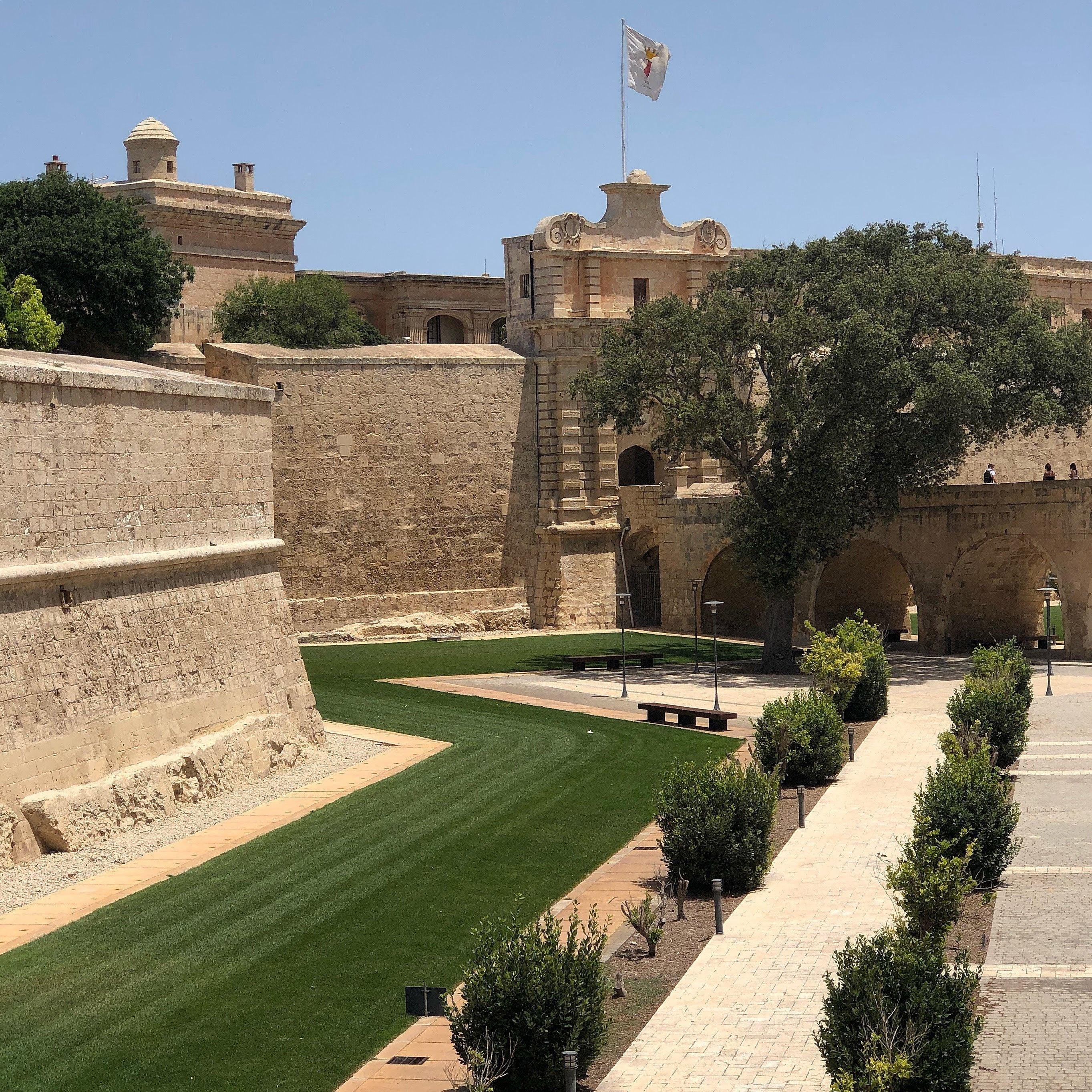
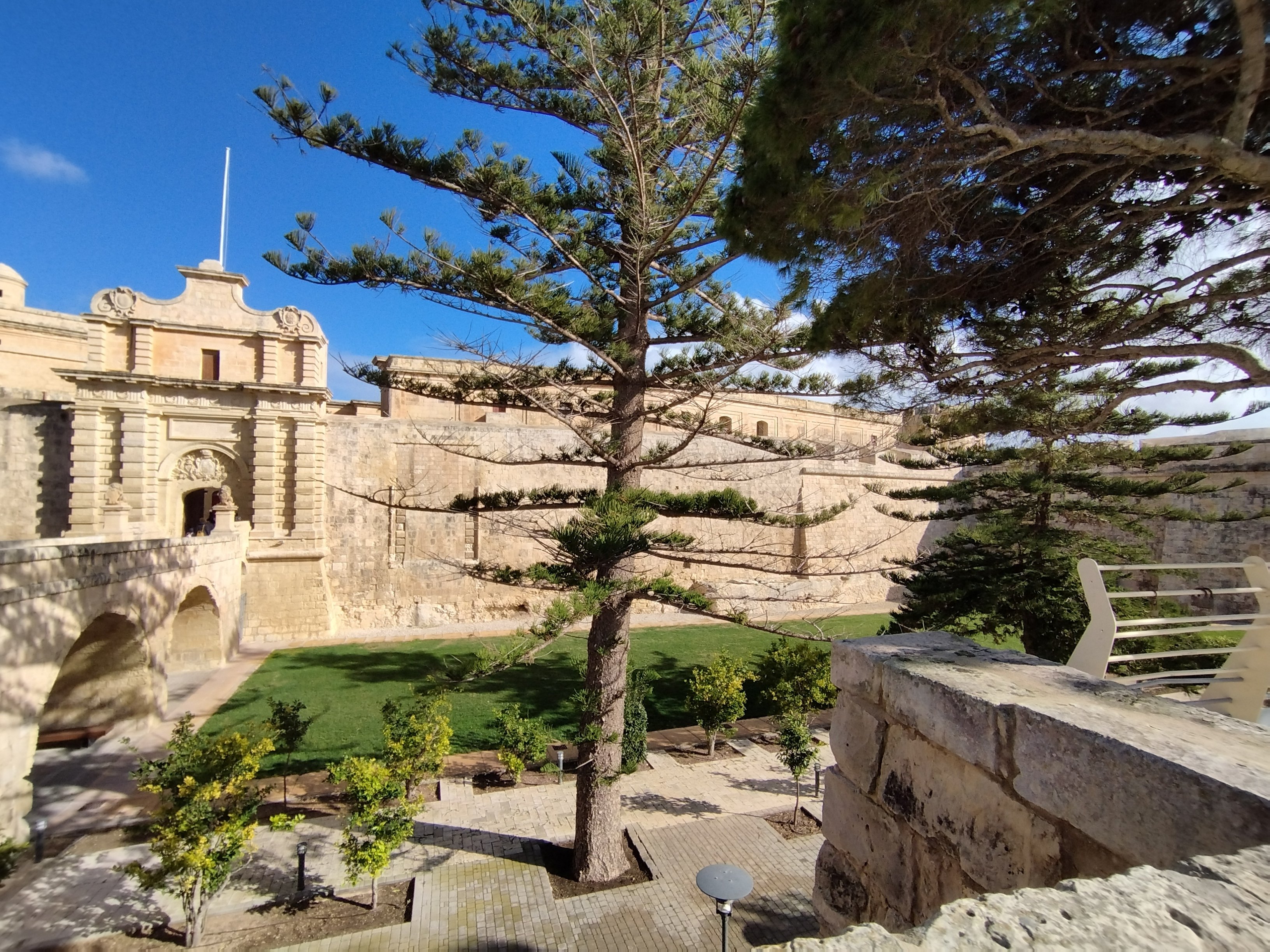
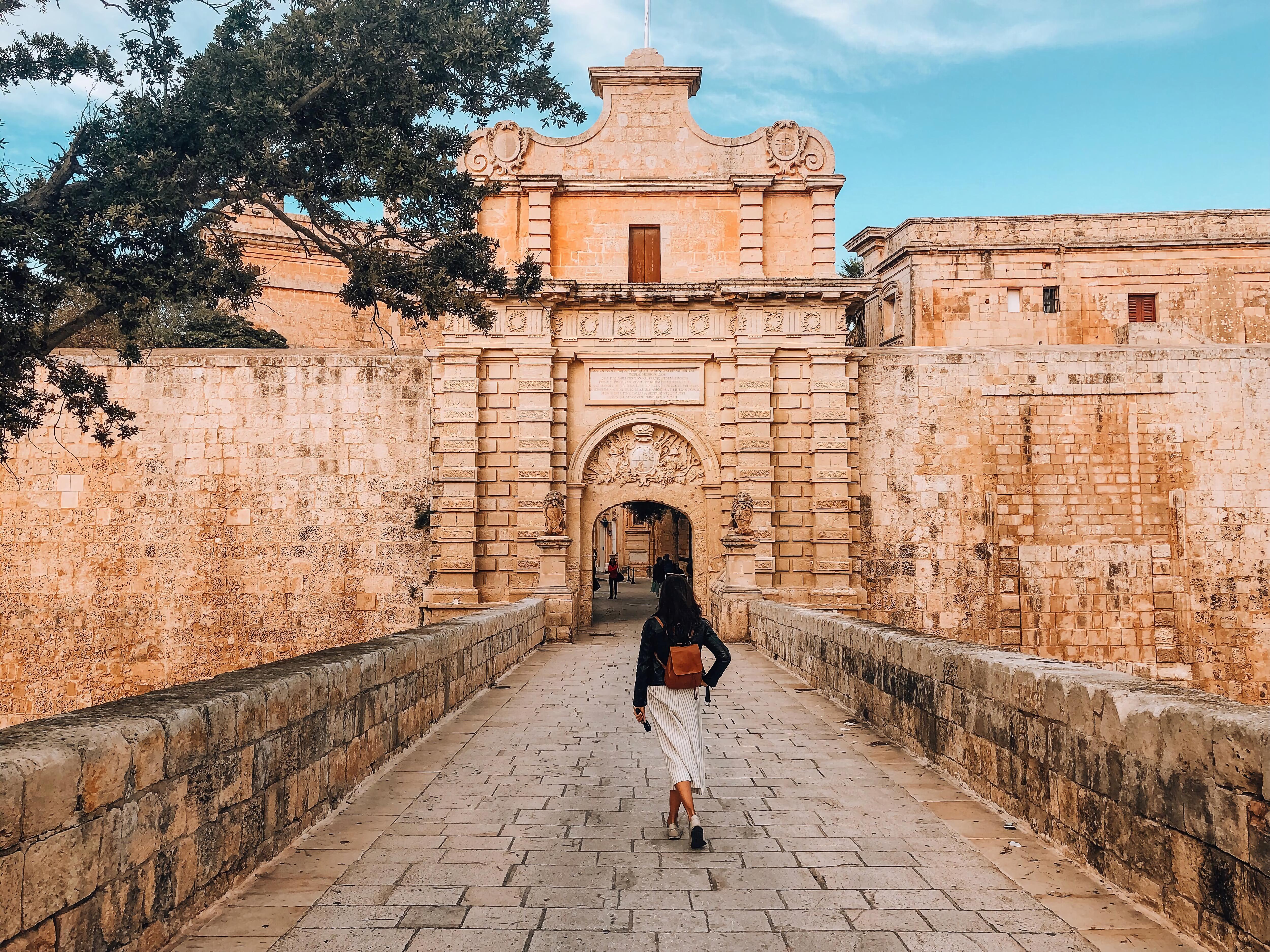
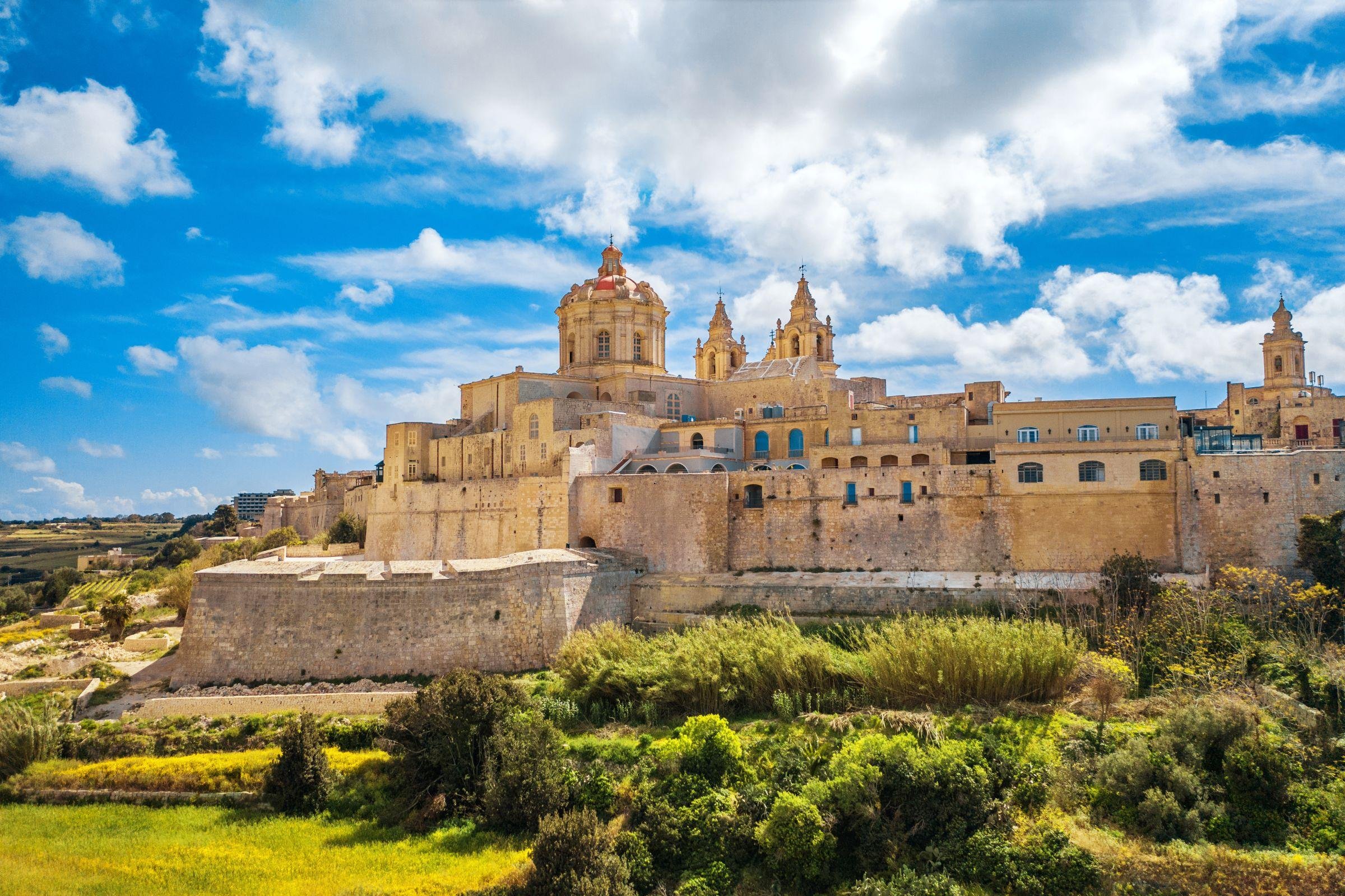
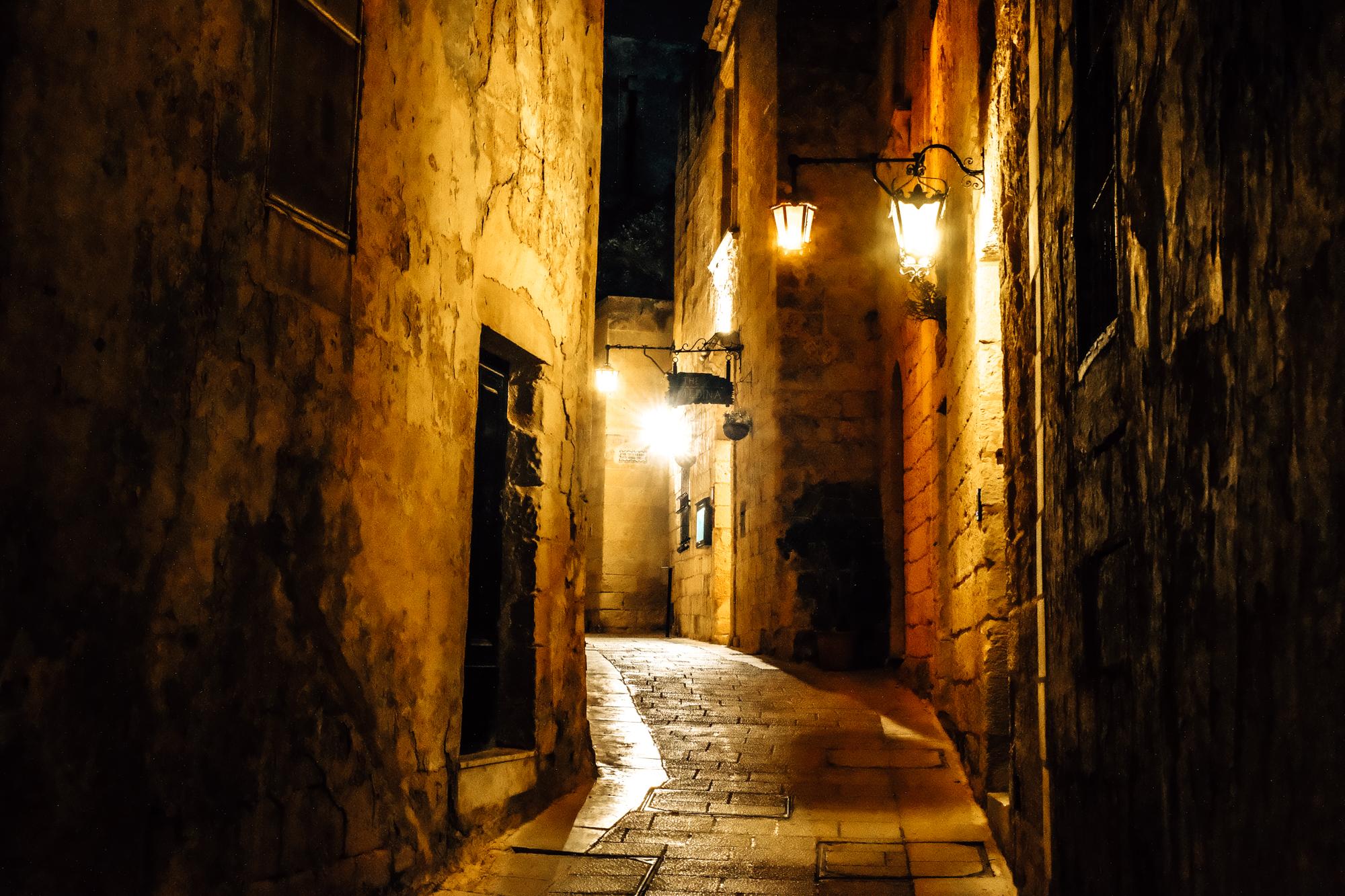
You enter Mdina through the baroque gate, its triumphal arch flanked by stone lions, and follow your guide into Villegaignon Street, where palazzo façades meet at sharp angles overhead. The silence registers first—no cars, few shops, footsteps audible on honey-colored paving.

Read more Show less

You pause at Bastion Square, where the rampart drops twenty meters to terraced fields, then continue through the cathedral piazza, its Carafa marble pavement catching the afternoon sun. The guide points out the Norman architecture embedded in later baroque remodeling, then leads you out through Greeks Gate into Rabat.

The descent into St. Paul's Catacombs begins at a stone staircase off Triq Sant Agata, the temperature dropping five degrees as daylight fades. You duck beneath low arches into the main gallery, where agape tables occupy alcoves and faded red ochre marks burial niches. The guide explains the canopied tombs reserved for wealthier families, their carved pillars supporting now-vanished wooden canopies. You move through interconnected chambers, each opening onto another, the Roman grid still legible after seventeen centuries. Returning to surface level, the Mdina and Rabat walking tour concludes at Rabat's main square, the baroque parish church visible across a terrace crowded with café tables.

Everything You Need to Know

Your complete Mdina and Rabat Walking Tour With Catacombs guide

All the details about your upcoming adventure in one place

Mdina's limestone bastions end where Rabat begins, but the two settlements shared a single Roman perimeter until Arab governors contracted the footprint in the ninth century.

What Mdina kept became Malta's fortified administrative heart; what lay outside the new wall became Rabat, a suburb built over the necropolis that Roman law required beyond city limits. The mdina and rabat walking tour with catacombs follows that fault line, tracing the moment one city became two and revealing the burial chambers that predated them both.

St. Paul's Catacombs form the largest Early Christian burial complex on the island, a thirty-chamber labyrinth carved between the third and eighth centuries. Agape tables cut into the rock hosted ritual meals for the dead; canopied tombs sheltered family plots; arched niches held oil lamps that never went out. The catacombs remained in use long after Christianity became the empire's official faith, a continuity that preserved architectural features lost elsewhere. Unlike Rome's multi-story networks, Malta's bedrock sits close to the surface, forcing diggers to expand horizontally rather than downward. The result is a sprawling single-level grid, its tunnels oriented to catch winter light through entrance shafts. Heritage Malta has maintained the site since 2000, installing walkways that protect fragile carvings while allowing access to the deepest chambers.

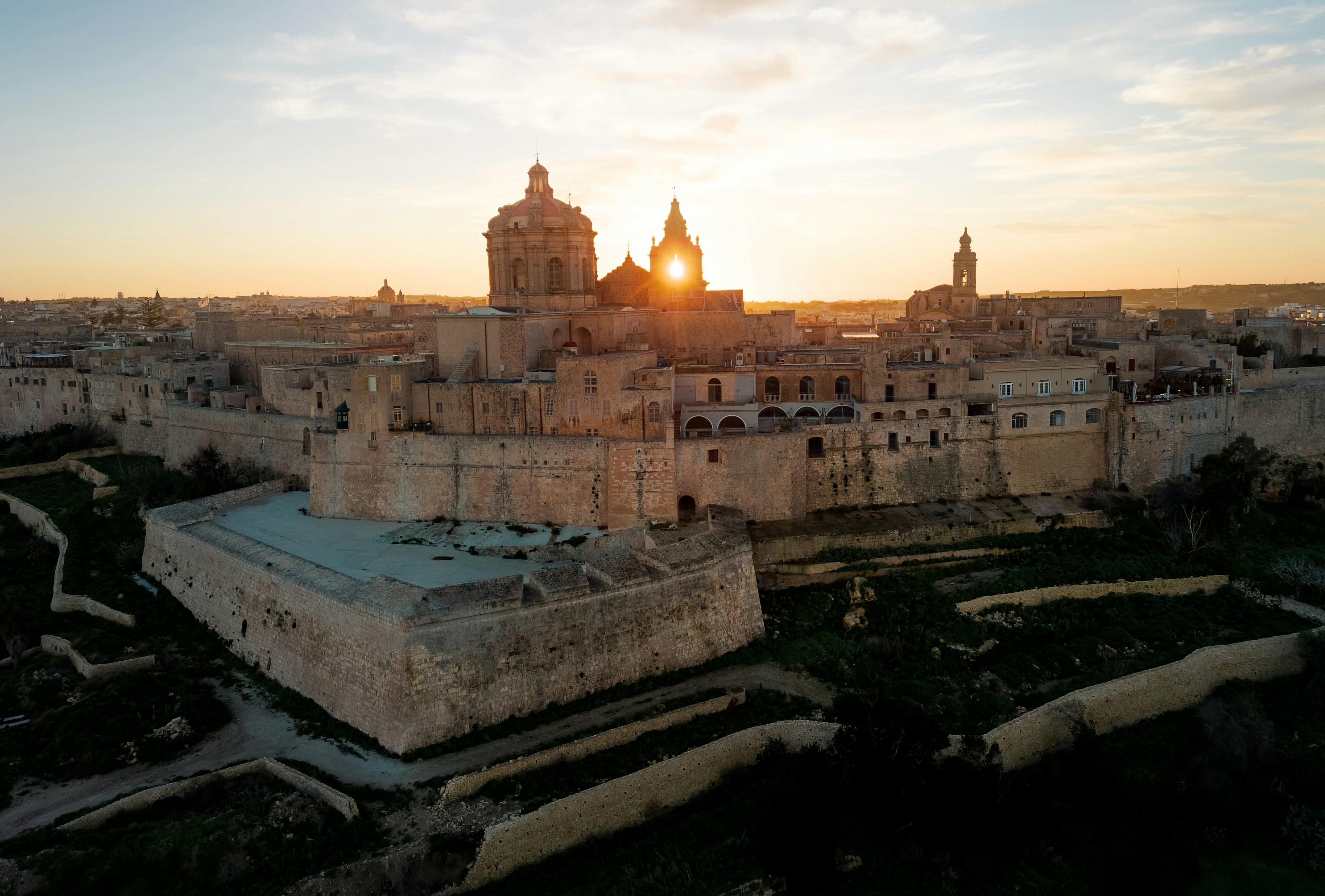
Above ground, Mdina's baroque palaces press against medieval ramparts, their balconies cantilevered over dry moats that never held water. The city's nickname, Città Notabile, predates its quieter modern alias; it was Malta's capital until the Knights of St. John moved the seat of government to Birgu in 1530, then Valletta in 1571. Depopulation followed, leaving fewer than three hundred residents within the walls today. Rabat absorbed the overflow, its parish churches and Augustinian priory rising on Roman foundations. The mdina rabat walking tour links these strata, moving from the Norman-era Mdina Gate through twisting caruggi to the Domus Romana's mosaic pavements, then descending into the catacombs where the island's earliest Christian community buried its dead. The paired itinerary addresses the specific demand for a dual-city experience that includes both medieval streetscapes and subterranean archaeology, covering terrain that cannot be understood in isolation. Mdina and Rabat tickets grant access to multiple Heritage Malta properties, including the catacombs, cathedral museum, and Palazzo Falson, though guided tours typically concentrate on the bastions and burial chambers that define the contiguous sites.


What Mdina kept became Malta's fortified administrative heart; what lay outside the new wall became Rabat, a suburb built over the necropolis that Roman law required beyond city limits.

Dress code

Modest clothing is recommended when visiting these historic sacred sites. Sturdy, closed-toe walking shoes are essential for navigating damp and uneven underground stone passages.

Bags & security

Large backpacks and bulky bags are not permitted inside the burial chambers. Security staff may request to inspect personal belongings at the entrance of the mdina and rabat walking tour with catacombs.

Photography

Non-commercial photography is permitted throughout the surface visitor center. Flash photography is strictly prohibited inside the tunnels to protect fragile ancient murals and rock carvings during your mdina and rabat walking tour with catacombs.

Families & strollers

The site is educational for children, though the narrow, dark corridors require close supervision. An mdina and rabat walking tour with catacombs is suitable for families with older children capable of navigating archaeological environments.

Accessibility

While the main visitor center and gift shop are fully accessible, the subterranean catacombs feature narrow, steep, and uneven steps. Visitors with limited mobility may find the underground sections challenging on an mdina and rabat walking tour with catacombs.

Food & drink

Eating and drinking are strictly forbidden within the underground hypogea. You may consume snacks or water in the designated surface garden areas before starting your mdina and rabat walking tour with catacombs.

Not allowed

× Tripods × Large luggage × Open flames × Spray paint × Drones × Alcoholic beverages × Professional filming equipment × Umbrellas inside tombs × Walking sticks with metal tips

What to bring

✓ Water bottle ✓ Comfortable walking shoes ✓ Light jacket ✓ Sunscreen ✓ Camera ✓ Valid ID

Opening hours

Mon 09:00–17:00
Tue 09:00–17:00
Wed 09:00–17:00
Thu 09:00–17:00
Fri 09:00–17:00
Sat 09:00–17:00
Sun 09:00–17:00

How to get there

At a glance

Opening hours

09:00–17:00

Address

Triq Sant Agata, Rabat, Malta

Accessibility

Partial accessibility due to subterranean terrain

Arrival recommendation

09:00–10:30

Storage

No large luggage lockers available

Site navigation

Guided and self-guided paths provided

Cancellation policy

Tickets are non-refundable once purchased. The 6 EUR conservation fee is included in all standard admissions.

Plan your time

Planning Your Mdina and Rabat Walking Tour with Catacombs

Recommended time

3-4 hours

A comprehensive mdina and rabat walking tour with catacombs typically requires three to four hours to transition from the quiet limestone streets of the Silent City to the subterranean depth of the underground burial chambers. By booking mdina and rabat walking tour with catacombs tickets for the morning, you avoid the heat and the peak congestion that occurs as visitors congregate near St. Paul's. Engaging in these mdina and rabat walking tour with catacombs tour options early ensures you can explore the extensive rock-cut galleries and ancient Roman heritage sites before the afternoon rush. We recommend adhering to the best arrival window: 09:00–10:30 — Avoid mid-day heat and large tour groups arriving later in the morning.

Crowd levels through the day

09:00–10:30 Light
10:30–12:30 Moderate
12:30–14:30 Heavy
14:30–16:00 Moderate
16:00–17:00 Light
The story

The Evolution of the Mdina and Rabat Walking Tour with Catacombs

The mdina and rabat walking tour with catacombs traces its roots to the Roman settlement of Melite, established in the 1st century BCE as the administrative capital of Malta. The Romans divided the area into two distinct zones: the walled city and the suburban sprawl that became Rabat, from the Arabic word for suburb. Beneath Rabat's streets, early Christian communities carved extensive burial chambers into the soft globigerina limestone between the 3rd and 8th centuries CE. St. Paul's Catacombs emerged as the largest complex, housing more than 1,000 tombs in a network of interconnected passages that reflected Jewish, Pagan, and Christian funerary traditions. When Arab forces conquered Malta in 870 CE, they reduced the fortified city to roughly one-third of its Roman extent, creating the smaller defensible perimeter that defines modern Mdina. The excluded eastern section became Rabat, severing the administrative unity but preserving the catacomb network beneath the new suburb. The Arabs introduced the name Mdina, from the Arabic "medina" meaning walled city, and the settlement retained strategic importance throughout Norman and Aragonese rule. The Knights of St. John, arriving in 1530, maintained Mdina as the noble seat while developing Valletta as their military headquarters. The 1693 Sicily earthquake devastated both Mdina and Rabat, prompting baroque reconstruction under architect Lorenzo Gafa. His interventions transformed the cathedral and several palazzos, layering baroque elegance onto medieval bones. The mdina and rabat walking tour with catacombs gained structured archaeological attention in 1894, when the Malta Museum Committee began systematic excavation of St. Paul's Catacombs. British colonial authorities opened the site to regulated public access in 1906, establishing the conservation protocols that govern mdina and rabat walking tour with catacombs tickets today. Heritage Malta assumed stewardship in 2002, introducing the current guided pathways, interpretive signage, and the 6 EUR conservation fee that funds ongoing preservation of the fragile limestone chambers.

1st c. BCE

Romans establish Melite as Malta's capital, creating the urban core that becomes Mdina

3rd–8th c. CE

Christian communities excavate St. Paul's Catacombs and surrounding burial chambers beneath Rabat

870 CE

Arab conquest reduces the fortified city to one-third its Roman size, creating the Mdina-Rabat division

1693

Sicily earthquake destroys large sections of both cities, triggering baroque reconstruction by Lorenzo Gafa

1894

Malta Museum Committee begins systematic archaeological excavation of St. Paul's Catacombs

1906

British authorities open the catacombs to regulated public tours with conservation protocols

2002

Heritage Malta assumes management, introducing modern visitor pathways and interpretive programming

Photo spots

Best Photo Spots for Your Mdina and Rabat Walking Tour with Catacombs

Main Entrance Corridor

Best light · Best arrival window

Capture the symmetry of the rock-hewn passages looking inward toward the burial chambers. Position your camera at eye level to emphasize the texture of the pale limestone walls.

St. Paul's Main Complex

Best light · Before 10:30

Focus on the weathered limestone entrance where the light spills into the underground tomb structures. This mdina and rabat walking tour with catacombs location offers a contrast between the bright surface and dark subterranean history.

Rabat Limestone Streets

Best light · Early morning

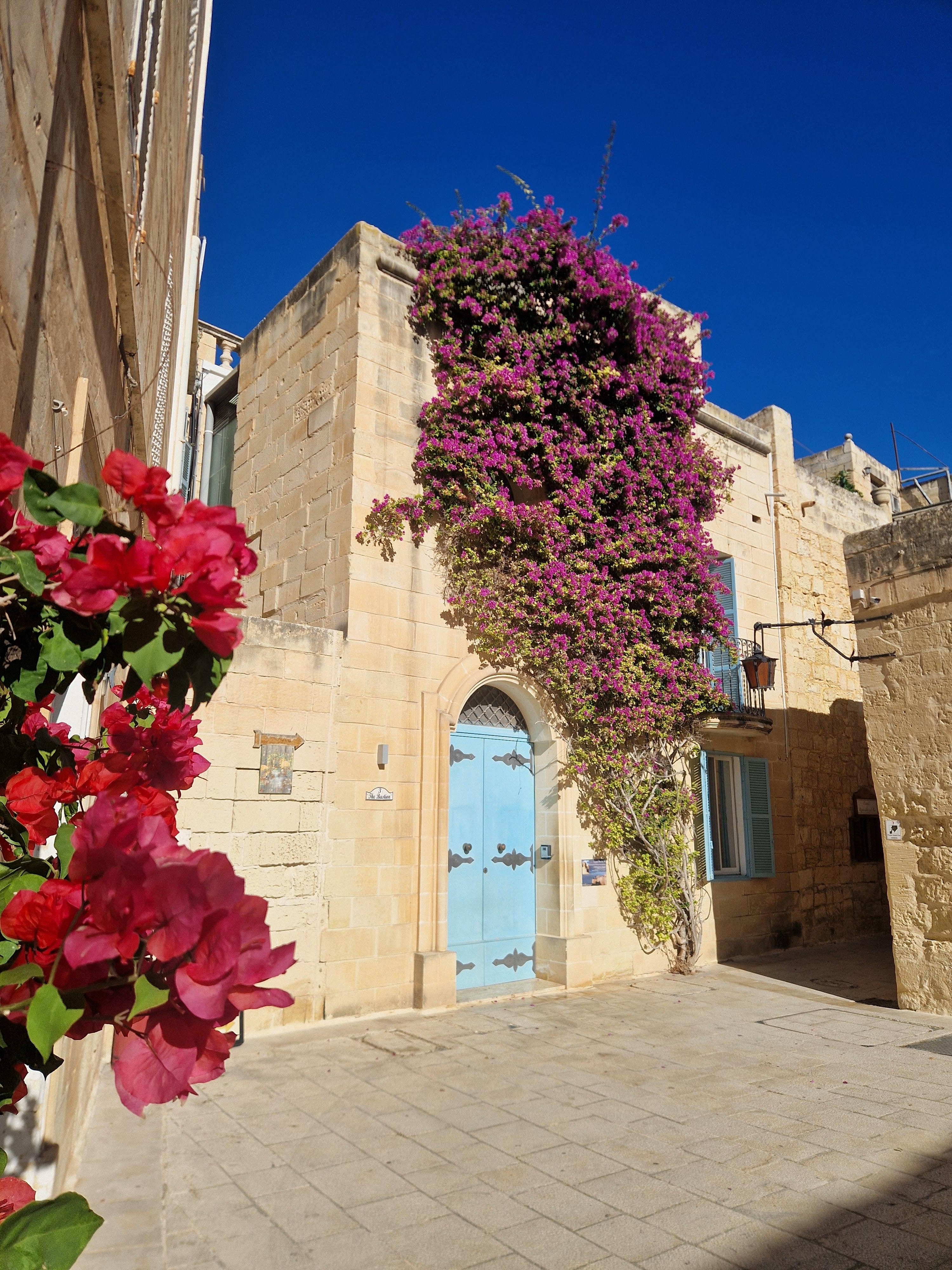
Frame the narrow, honey-colored alleys leading toward the historic center. These passages are essential for those seeking authentic mdina and rabat walking tour with catacombs tours photography.

St. Cataldus Church Facade

Best light · Golden hour

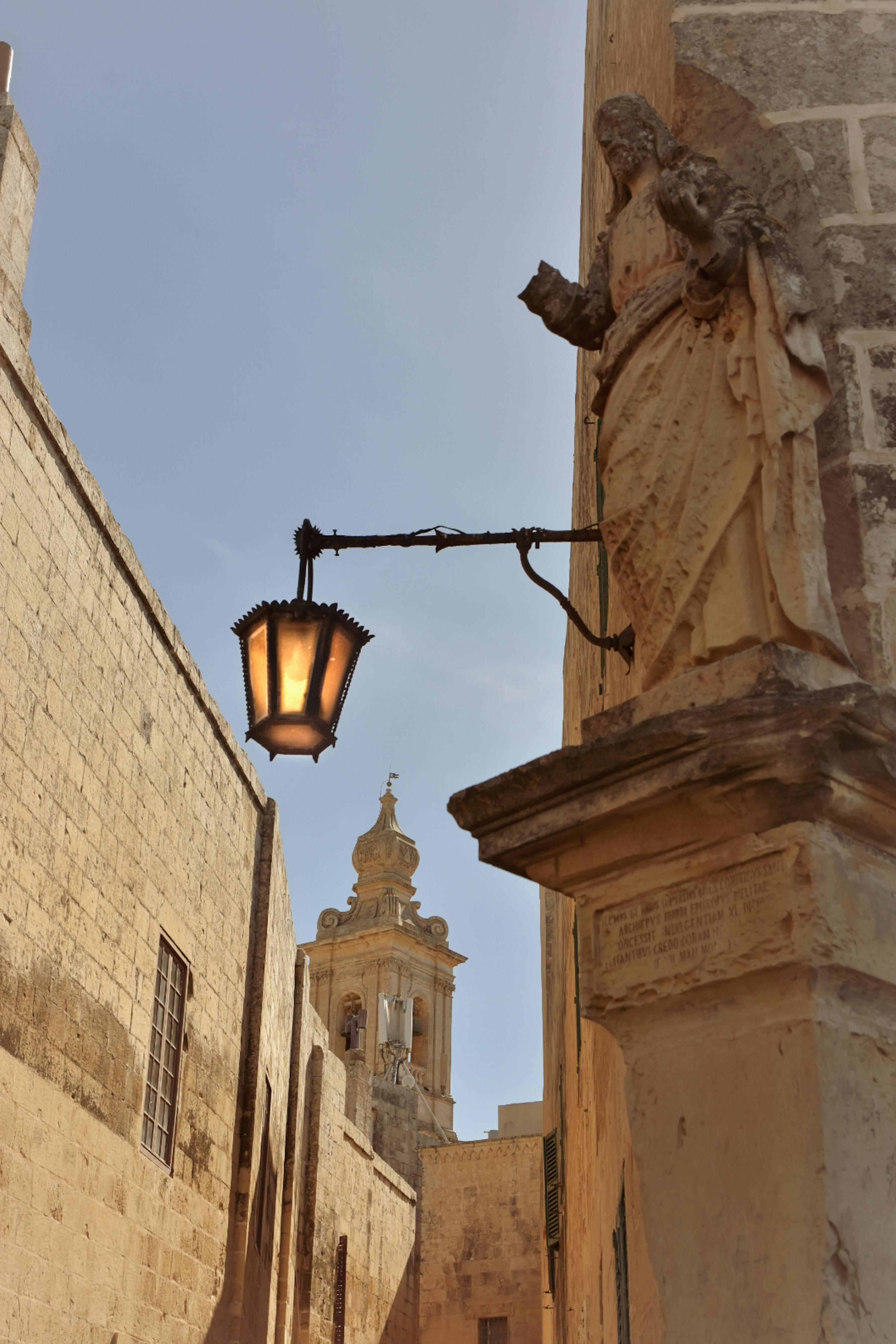
Document the intricate baroque stonework and the statue niche on this historic building located near the catacombs. It serves as a visual anchor for your mdina and rabat walking tour with catacombs tickets documentation.

With kids

Family Logistics for the Mdina and Rabat Walking Tour with Catacombs

Planning an mdina and rabat walking tour with catacombs requires careful preparation to navigate the subterranean passages and historic streets with young children. This exploration of ancient landmarks offers a unique experience when managed with realistic expectations for accessibility and pace.

Strollers

The uneven, ancient stone surfaces throughout Mdina and Rabat make strollers impractical for most of the route, so a front or back carrier is recommended for infants.

Facilities

There are limited baby-change facilities near the burial sites, and the subterranean environment of St. Paul's Catacombs is not suitable for strollers.

Pacing

To ensure an enjoyable mdina and rabat walking tour with catacombs tours experience, plan for frequent breaks to allow children to adjust to the dim lighting and lower ceilings in the caves.

Best Ages

This site is most engaging for school-aged children who can appreciate the history of these underground burial grounds, as toddlers may find the narrow, dark spaces challenging.

Mdina Landmarks

When booking your mdina and rabat walking tour with catacombs tickets, consider that the walking intensity between sites requires comfortable footwear for all family members.

Rainy-Day Plan

The outdoor nature of these mdina and rabat walking tour with catacombs tour routes means wet conditions can make the limestone pathways slippery and difficult to navigate safely.

Food & drink

Dining Near the Mdina and Rabat Walking Tour with Catacombs

Visitors completing an mdina and rabat walking tour with catacombs will find diverse culinary choices clustered just outside the Mdina gate and throughout the narrow streets of Rabat. While no food is sold within the subterranean St. Paul's site, the surrounding town offers authentic Mediterranean flavors for those booking mdina and rabat walking tour with catacombs tickets.

Crystal Palace

€

Pastizzeria

A legendary spot in Rabat for traditional pea or ricotta pastizzi that serves as a perfect quick refueling point for those on mdina and rabat walking tour with catacombs tours. It is frequently busy with locals, so expect a short queue during mid-morning hours.;Is-Serkin

FAQ

Mdina and Rabat Walking Tour With Catacombs — frequently asked questions

Everything you need to know for your journey

Ready for Adventure?

Join thousands of happy travelers who have discovered this incredible experience

Book Your Experience Now